Uncategorized

MAN COOLER FAN

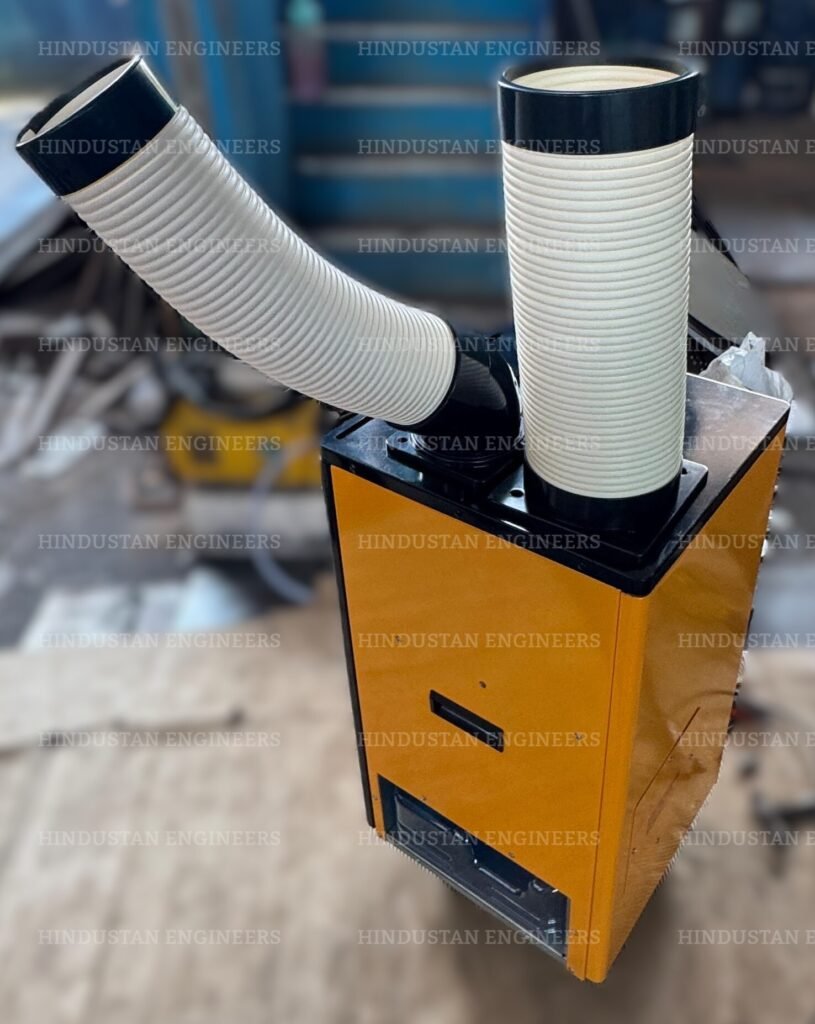
Man Coolers are industrial cooling fans designed to provide spot cooling and enhance comfort for personnel working in hot and challenging environments. Unlike air conditioning systems that cool entire spaces, man coolers focus airflow directly on individuals or small groups to reduce heat stress and improve work performance. Types of Man Coolers:Type DescriptionTubular Man Cooler […]

MAN COOLER FAN Read More »

SEWAGE TREATMENT PLANT

A Sewage Treatment Plant (STP) treats wastewater (from homes, industries, etc.) to remove contaminants — making it safe to discharge into the environment or reuse. The process happens in three main stages: 1. Primary Treatment (Physical) 2. Secondary Treatment (Biological) 3. Tertiary Treatment (Chemical/Advanced 1. Primary Treatment (Physical Process) Purpose: Remove large solids and suspended materials. Steps: Screening: Removes large

SEWAGE TREATMENT PLANT Read More »

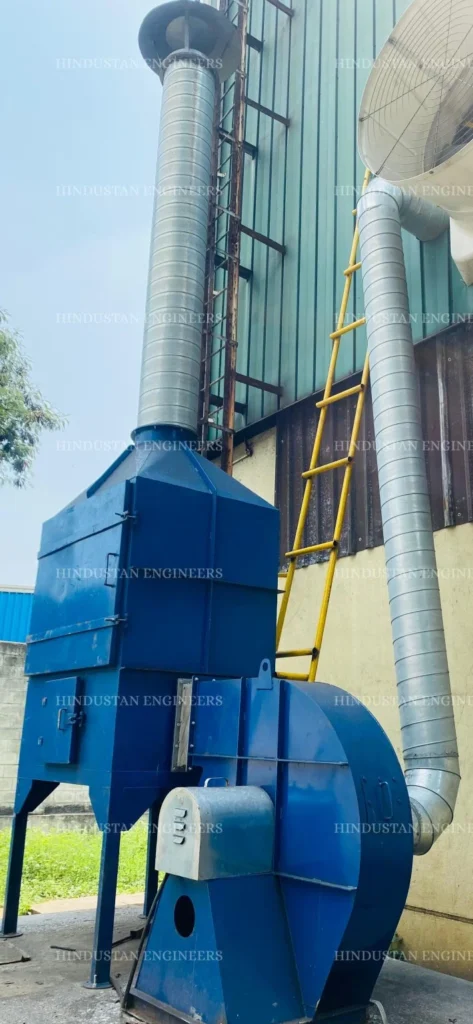
CYCLONE SEPARATOR

Cyclone separators utilize gravity and a vortex to remove particulates from gaseous streams. Industrial cyclones are used in pollution control applications most commonly as a first stage, lower cost method for removing larger particulate matter (PM) from effluent gas streams. Because cyclone separators do not incorporate filter media or moving parts, the pressure drop (therefore,

CYCLONE SEPARATOR Read More »

SPOT COOLING SYSTEM

A spot cooling system is a specialized cooling solution designed to provide targeted cooling to specific areas or spaces within a larger area. This type of cooling system is commonly used in commercial, industrial, and residential settings where precise temperature control is needed or traditional HVAC systems are not sufficient. Here are some key aspects

SPOT COOLING SYSTEM Read More »

PLEATED FILTER BAG

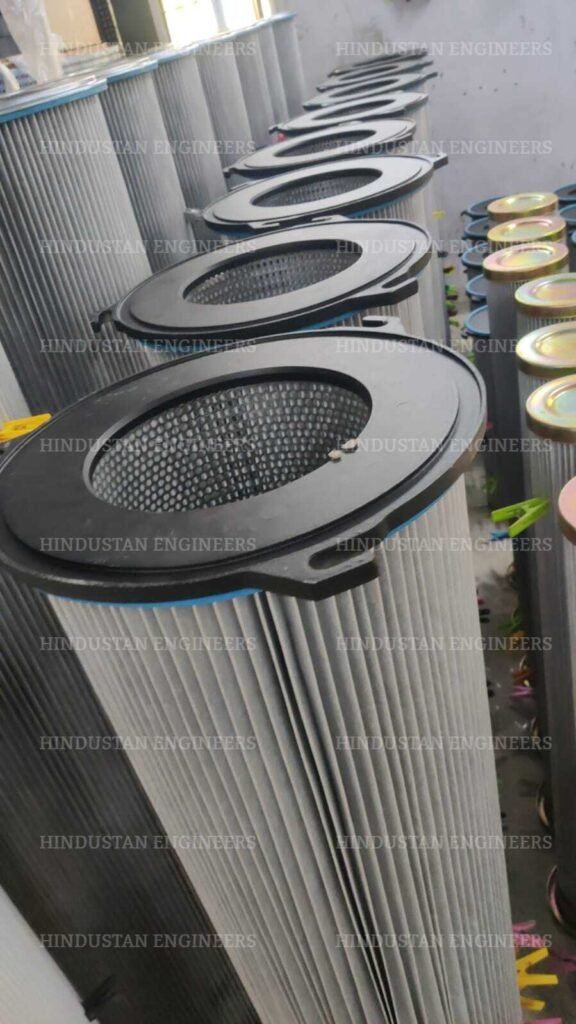
Pleated filter bags are industrial filtration elements designed with a pleated (accordion-style) structure to increase surface area while fitting into the same housing size as a standard filter bag. They’re used for dust collection, liquid filtration, and air filtration across many industries. For Liquid Filtration For Dust Collection Typical Applications Liquid Filtration Dust Collection

PLEATED FILTER BAG Read More »

AIR PRE-FILTER

are commonly made of materials that are either cheap and disposable or (more commonly) they are made of a more durable and washable material. More often than not, a pre-filter will have a very long lifespan because they are made to be cleaned, rather than thrown out. This is different than most air filters on

AIR PRE-FILTER Read More »

VENTILATION SYSTEM

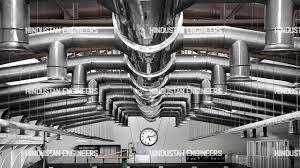
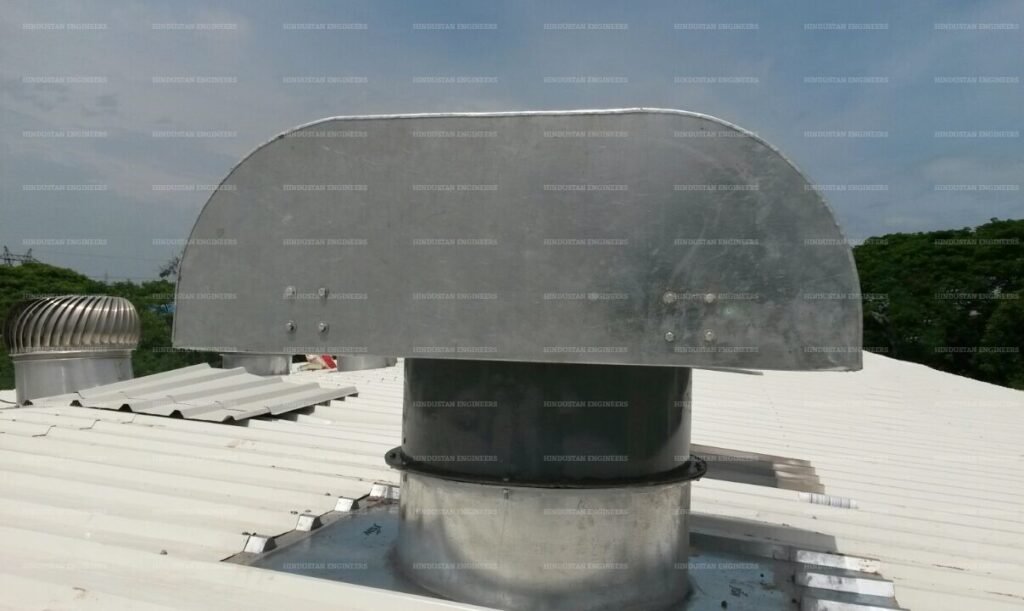
A ventilation system is an integral part of a building’s HVAC (heating, ventilation, and air conditioning) system that helps circulate and exchange air to improve indoor air quality, control temperature, and remove pollutants. Here are some key aspects of ventilation systems: Types of Ventilation Systems: Mechanical Ventilation: Utilizes fans and ductwork to exhaust stale air

VENTILATION SYSTEM Read More »

KITCHEN EXHAUST SYSTEM

A kitchen exhaust system is the setup that removes smoke, heat, grease-laden vapors, odors, and airborne contaminants from a kitchen—especially in commercial settings. It helps keep the kitchen safe, comfortable, and compliant with fire-safety codes. Below is a clear breakdown: Main Components of a Kitchen Exhaust System 1. Exhaust Hood 2. Grease Filters / Baffles

KITCHEN EXHAUST SYSTEM Read More »

INDUSTRIAL CYCLONE

Cyclone separators utilize gravity and a vortex to remove particulates from gaseous streams. Industrial cyclones are used in pollution control applications most commonly as a first stage, lower cost method for removing larger particulate matter (PM) from effluent gas streams. Because cyclone separators do not incorporate filter media or moving parts, the pressure drop (therefore,

INDUSTRIAL CYCLONE Read More »

JET FAN

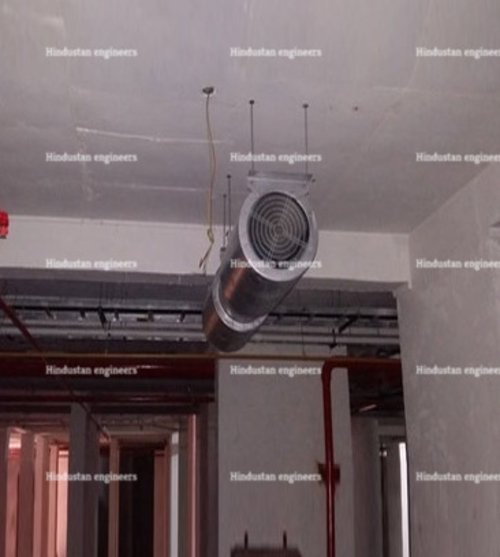
JET FAN VENTILATION In recent years, horizontal ventilation systems, also known as impulsion or induction ventilation systems, have been established as an alternative to the traditional ones which were based on networks of ducts for extracting and supplying air. This technology is based on the longitudinal ventilation systems used in tunnels, which create a flow

JET FAN Read More »