
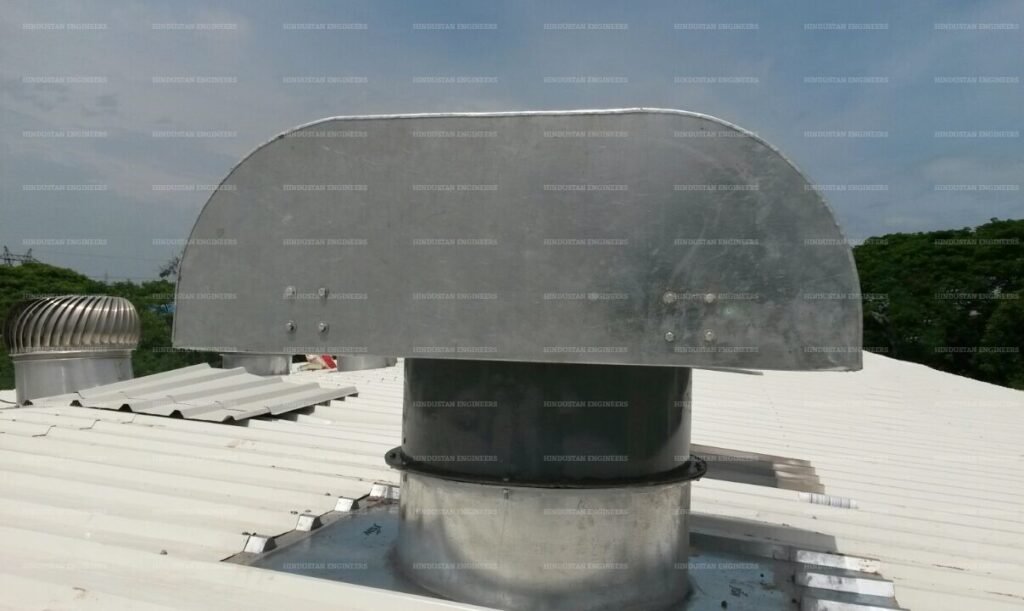
An industrial exhaust fan is a ventilation device used to remove contaminants, heat, fumes, odors, and moisture from industrial spaces such as factories, warehouses, workshops, and manufacturing plants. Industrial exhaust fans help improve indoor air quality, regulate temperature, reduce humidity levels, and promote a healthier and safer working environment for employees.
There are several reputable manufacturers that offer a variety of industrial exhaust fans tailored to different applications and requirements. For example, Greenheck Fan Corporation is a well-known provider of industrial ventilation solutions, including exhaust fans with various configurations such as axial fans, centrifugal fans, and energy recovery units, designed for industrial and commercial applications. Greenheck’s industrial exhaust fans are built for durability, efficiency, and superior performance to meet the demanding ventilation needs of industrial facilities.
Another leading manufacturer of industrial exhaust fans is Penn Barry, offering a wide selection of exhaust fans, roof ventilators, and make-up air units designed for industrial ventilation systems. Penn Barry’s industrial exhaust fans are engineered to deliver high airflow capacity, low noise operation, energy efficiency, and compliance with industry standards to ensure effective air movement and exhaust in industrial settings.
When selecting an industrial exhaust fan, factors to consider include airflow capacity, static pressure, fan size, motor efficiency, material construction (to withstand corrosive or abrasive environments), noise levels, and compatibility with ductwork and ventilation systems. Proper installation, maintenance, and periodic inspection of the exhaust fan are essential to ensure optimal performance, energy efficiency, and compliance with safety and ventilation codes.
Understanding the features, specifications, and performance characteristics of different industrial exhaust fan models can help industrial facilities select the most appropriate ventilation solution to maintain a clean, comfortable, and productive work environment.
A heat exhaust system, also known as an exhaust ventilation system, is designed to remove heat and hot air from an enclosed space or area. It is commonly used in industrial and commercial settings, as well as in some residential applications, to control temperature and improve indoor air quality.
Here are some key components and features of a heat exhaust system:
Exhaust Fans: These fans are the main components of the system and are responsible for removing the hot air and heat from the space. They are typically mounted on walls, ceilings, or roofs and work by creating negative pressure, drawing air out of the area and expelling it outside.
Ductwork: Ducts are used to transport the hot air from the space to the exhaust fans. They are usually made of metal or flexible materials and are designed to efficiently transport air while minimizing resistance and pressure drop. Properly sized and installed ductwork ensures effective heat removal.
Louvers or Vent Openings: To allow fresh air to replace the exhausted hot air, louvers or vent openings are often installed in the area. These openings allow air to enter, creating a flow that helps facilitate heat removal and ventilation.
Control System: Many heat exhaust systems include a control system that regulates the operation of the fans. The control system can be automated or manual and may include features such as adjustable speed controls, timers, and thermostats to optimize energy efficiency and maintain desired temperature levels.
Safety Features: Depending on the specific application, heat exhaust systems may include safety features such as alarms, emergency shutdown switches, and temperature sensors to ensure safe and reliable operation.
When selecting a heat exhaust system, it is important to consider factors such as the size of the space, the heat load, the desired temperature reduction, and any specific requirements or regulations. Consulting with HVAC professionals or reputable manufacturers can help in selecting the appropriate system for your needs.
It is worth noting that the term “heat exhaust system” is sometimes used more broadly to refer to systems that not only remove heat but also exhaust other by products such as fumes, gases, or contaminants. In such cases, additional components such as filters or scrubbers may be included to address specific air quality concerns.